

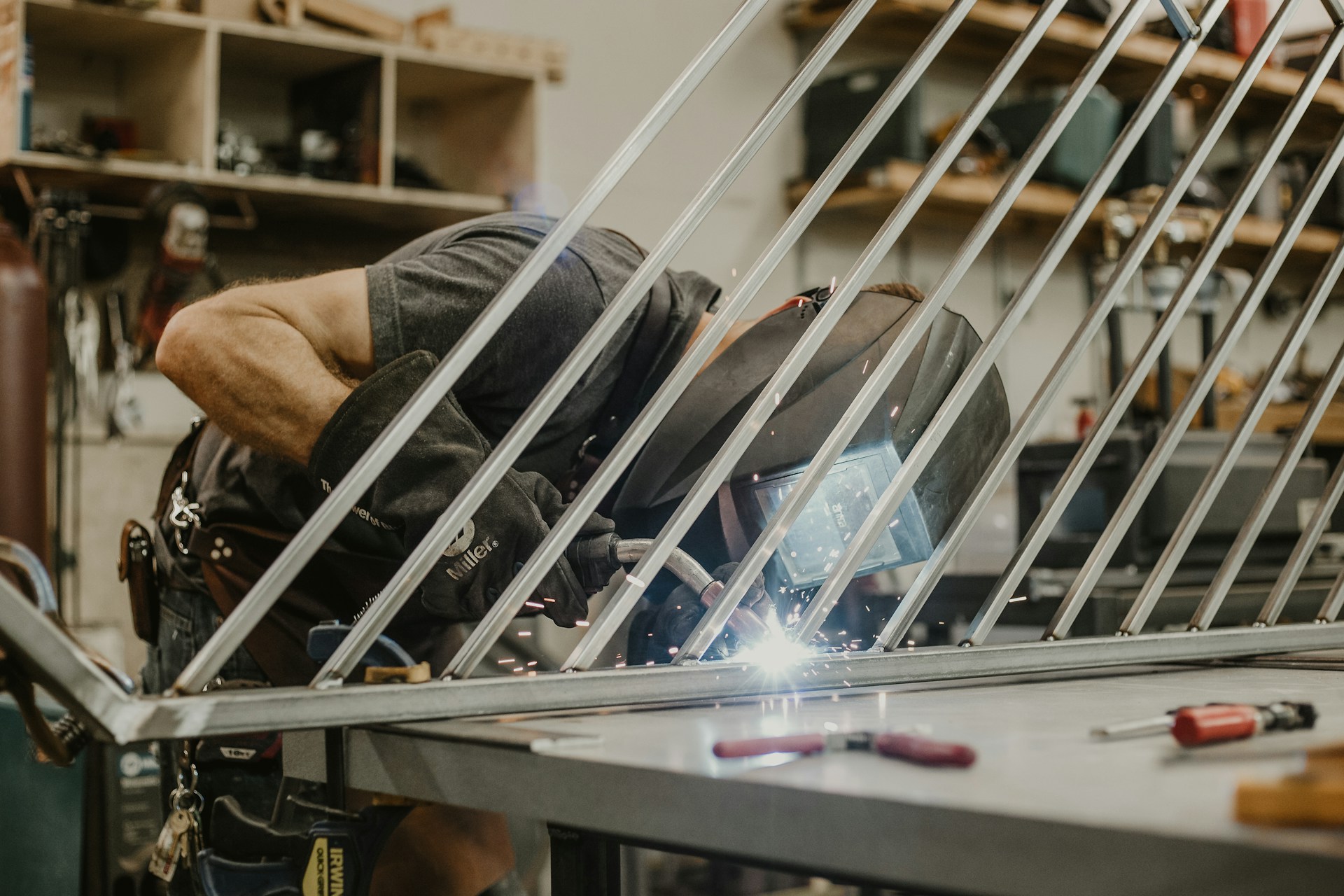
Precision, efficiency, and reliability define modern metalworking. Whether you’re running a small fabrication shop or managing large-scale industrial operations, the quality of your equipment directly impacts your results.
Access to professional-grade tooling can transform how you approach welding, fabrication, and assembly tasks.
BTH Sales specializes in providing metalworking professionals with innovative solutions designed to enhance productivity and precision. From modular welding systems to specialized accessories, having the right equipment means completing projects faster while maintaining exceptional quality standards.
This guide explores essential categories of metalworking equipment and how selecting the right tools can streamline your operations. Understanding what’s available helps you make informed decisions that support your specific fabrication needs.
Understanding Modular Welding Systems
Modular welding systems have revolutionized how fabricators approach fixture creation and project setup. These systems use precision-ground tables with standardized hole patterns, allowing you to build custom fixtures quickly without permanent modifications.
Benefits of Modular Tables
Traditional welding setups often require time-consuming fixture building for each new project. Modular systems eliminate this bottleneck by providing:
- Consistent accuracy across all projects through precision-ground surfaces
- Rapid reconfiguration between different job requirements
- Reduced setup time, which increases billable hours
- Flexibility to handle diverse project sizes and geometries
Key Components
A complete modular system includes several integrated components:
- Precision tables: Provide the foundation with flat, accurate surfaces featuring standardized mounting points
- Clamping squares: Enable quick, square alignment of workpieces
- Stop blocks: Position materials consistently for repetitive tasks
- Extension pieces: Expand work surfaces for larger assemblies
These components work together seamlessly, creating a versatile platform that adapts to your changing project requirements.
Essential Metalworking Tools for Every Shop
Beyond welding systems, a well-equipped shop requires diverse industrial tooling to handle various fabrication challenges. Building a comprehensive toolkit ensures you’re prepared for any project that comes through your doors.
Cutting and Grinding Equipment
Material preparation forms the foundation of quality metalwork:
- Angle grinders for surface preparation and edge finishing
- Plasma cutters for precise metal cutting
- Band saws for straight cuts through thick materials
- Cut-off wheels designed for specific metal types
Measuring and Layout Tools
Accuracy begins with proper measurement:
- Digital calipers for precise dimension verification
- Squares and protractors for angle validation
- Height gauges for consistent marking
- Laser levels for alignment over distance
Investing in quality measurement tools prevents costly errors and rework.
Specialized Welding Supplies for Professional Results
Quality welding supplies directly influence the strength and appearance of your finished work. Professional fabricators understand that cutting corners on consumables leads to inconsistent results and wasted time.
Electrode and Filler Material Selection
Different applications require specific filler materials:
- MIG wire in various diameters and alloy compositions
- TIG rods matched to base metal characteristics
- Stick electrodes for field work and heavy fabrication
- Flux-cored wire for outdoor applications
Matching filler materials to your base metals and welding processes ensures proper penetration and strong joints.
Gas and Shielding Solutions
Proper shielding protects weld pools from contamination:
- Argon for TIG welding aluminum and stainless steel
- CO2 or mixed gases for MIG applications
- Regulators and flowmeters for precise control
- Gas lens systems for improved coverage
Maintaining proper gas flow prevents porosity and creates cleaner welds that require less post-weld cleanup.
Fixturing and Positioning Equipment
Efficient fabrication requires holding workpieces securely in optimal positions. Proper fixturing reduces fatigue, improves accuracy, and enhances safety throughout your operations.
Clamps and Holding Devices
Multiple clamping options address different holding challenges:
- C-clamps for general-purpose applications
- Toggle clamps for repetitive production work
- Magnetic holders for quick temporary positioning
- Pneumatic clamps for automated systems
Positioners and Manipulators
Bringing work to comfortable positions increases productivity:
- Turntables that rotate assemblies for optimal access
- Tilt tables that adjust work angles
- Overhead cranes for handling heavy components
- Custom jigs built for specific production runs
These tools reduce physical strain while improving weld quality through better access and positioning.
Precision Measurement and Quality Control
Maintaining tight tolerances requires reliable measurement throughout the fabrication process. Quality control equipment helps verify dimensions before, during, and after welding.
Dimensional Inspection Tools
Several tools help verify critical dimensions:
- Coordinate measuring machines (CMM) for complex geometries
- Dial indicators for runout and flatness checks
- Thickness gauges for material verification
- Thread gauges for fastener compatibility
Non-Destructive Testing Equipment
Verifying weld integrity without damaging parts requires specialized equipment:
- Dye penetrant kits for surface crack detection
- Magnetic particle inspection for subsurface defects
- Ultrasonic testing for internal discontinuities
- Visual inspection aids like magnifiers and borescopes
Regular quality checks catch problems early, preventing costly rework or field failures.
Safety Equipment and Shop Organization
A safe, organized workspace protects your team while improving efficiency. Professional shops prioritize both personal protective equipment and systematic organization.
Personal Protective Equipment
Proper PPE remains non-negotiable:
- Auto-darkening welding helmets with appropriate shade ratings
- Flame-resistant clothing and leather aprons
- Safety glasses with side shields
- Respirators rated for welding fumes
- Leather gloves designed for welding applications
Storage and Organization Systems
Organized shops operate more efficiently:
- Tool cabinets with labeled drawers
- Material racks sorted by size and type
- Mobile carts for frequently used equipment
- Shadow boards showing proper tool locations
Time spent searching for tools or materials directly reduces productive work hours.
Making Strategic Equipment Investments
Building or upgrading a metalworking shop requires careful planning. Strategic investments balance immediate needs with long-term growth potential.
Evaluating Your Requirements
Start by assessing your current and projected needs:
- What types of projects do you handle most frequently?
- Which processes create bottlenecks in your workflow?
- What capabilities would expand your service offerings?
- How quickly do you need to see a return on investment?
Prioritizing Purchases
Not every shop needs every tool immediately:
- Essential equipment: Tools required for daily operations
- Efficiency upgrades: Items that reduce setup time or improve quality
- Capability expansion: Equipment that enables new services
- Nice-to-have additions: Tools that provide convenience
Focus on items that generate the quickest productivity improvements first.
Building Your Professional Metalworking Arsenal
Success in metalworking stems from combining skilled craftsmanship with appropriate equipment. As your capabilities grow, so should your toolkit—adding specialized items that support your expanding expertise. Professional-grade metalworking tools represent investments in your craft and business.
Quality equipment lasts longer, performs more reliably, and produces better results than budget alternatives. Whether you’re establishing a new shop or upgrading existing capabilities, selecting the right tools sets the foundation for years of productive work.
Consider how each addition to your shop enhances precision, improves efficiency, or expands your capabilities. The right equipment transforms challenging projects into manageable tasks while maintaining the quality standards your clients expect.